In a market defined by competitiveness, injection mold manufacturing companies must find a way to gain an edge. One of the methods that always worked is moving from concept to market faster, but without increasing the risks or sacrificing the quality of the final product.
Enter rapid injection molding – a cornerstone of modern iterative product development that allows manufacturers to push their products with speed and confidence. Today, we’ll explore the key principles of this method and the benefits of its key component: rapid part iteration.
What is rapid injection molding?
Rapid injection molding is a streamlined manufacturing method that uses simplified or quickly produced molds, typically made from aluminum or soft steel. Compared to traditional (hardened steel) tooling, this approach is much faster and more cost-effective, enabling manufacturers to create plastic parts in a matter of days, instead of weeks or even months
This process follows all the same molding principles: molten plastic is injected into a mold cavity, cooled, and ejected. The difference lies in the tooling strategy which, in the case of rapid injection molding, is optimized for speed, cost-efficacy, and early-stage iterations.
What are the key principles of rapid injection molding?
The method is built on several core engineering and workflow principles, which we can roughly separate into two categories:
- Simplified tools, designed to increase manufacturing speed by:

- Reducing machining complexity (e.g., fewer slides, simpler parting lines);
- Expediting CNC milling of aluminum molds;
- Enabling quicker tool adjustment.
- Softer, reusable materials, which allow manufacturers to cut costs and lead times:
- Lower hardness materials that shorten machining time;
- Pre-hardened mold bases that eliminate the need for additional heat treatment;
- Modular inserts that allow for the reuse of mold frames.
Where does rapid part iteration fit in?
Rapid injection molding only works well if there’s a reliable way to quickly redesign and retest the parts. This is exactly what rapid part iteration (a.k.a. “rapid prototyping”) enables – to fabricate a part, test it, and refine the design, reaching the optimal final version in the shortest amount of time possible.
How does rapid part iteration work?
Rapid prototyping follows a simple yet effective cyclical workflow:
- Designing a prototype: Engineers create an initial CAD design.
- Produce a quick-run mold: A simplified/modular mold is machined in days.
- Mold the 1st batch: A small quantity of product is manufactured for evaluation.
- Evaluate performance: Functionality, dimensions, material behavior, and assembly fit are all extensively tested.
- Revise the design: Prototype is refined using test data.
- Rinse & repeat: The process is repeated until the final product meets the set standards.
What are the benefits of rapid part iteration?
The iterative method delivers numerous benefits, including:
- Shortening development cycles: Prototyping that once took months now takes only a few weeks or even days.
- Maximizing cost-effectiveness: Simplified tooling and reusable materials significantly reduce the upfront investment.
- Improving product reliability: Functional material testing ensures parts behave as expected under real conditions, while early flaw detection allows swift adjustments with minimal material waste.
- Reducing risks: More design cycles (in shorter periods of time) mean fewer production failures.
Which injection mold manufacturing companies employ the iterative principles to improve the quality & reliability of their products?
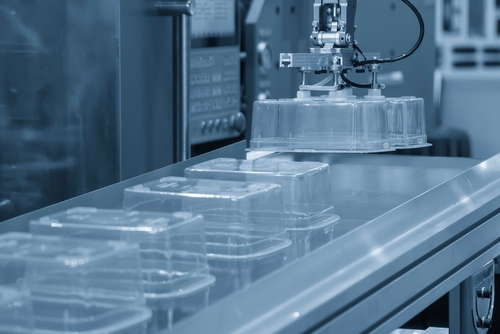
Wunder Mold continuously raises the bar in the injection molding industry by staying on top of emerging trends in rapid part iteration. Our team leverages smart in-line QC systems to catch defects a human eye can miss, as well as advanced automation in secondary processes to ensure every part meets the industry’s highest standards. Connect with our HQ in Vacaville, CA, and discover how our methods and expertise can help your business thrive!