In manufacturing, certain words get used so often that they start to lose meaning. “Precision” is one of them. Nearly every supplier claims to offer it, yet not every process delivers the same level of repeatability, consistency, or dimensional control. In plastic injection molding, that difference matters more than many buyers realize. A part can look acceptable at first glance and still create problems later through poor fit, inconsistent wall thickness, assembly issues, or avoidable scrap.
That is why evaluating injection mold manufacturing companies requires looking beyond marketing language and asking what precision actually means in production terms. In this context, precision is not about sounding advanced. It is about building parts that come out consistently, meet spec repeatedly, and support downstream operations without creating added cost. When programs are handled correctly, precision shows up in measurable performance, not vague promises. Read on for more detailed information.
What does precision actually mean in plastic injection molding?
It means producing parts that match required dimensions, tolerances, and performance expectations consistently from shot to shot and run to run. It is not only about whether the first sample part looks correct. It is about whether the ten-thousandth part will still match the same standard.
That kind of consistency matters because molded parts often need to do more than exist as standalone pieces. They may need to fit with other components, seal properly, snap together, hold a load, or maintain a specific cosmetic appearance. If dimensions shift too much, even slightly, problems can appear quickly in assembly, function, and final product quality.
Precision shows up in several ways 
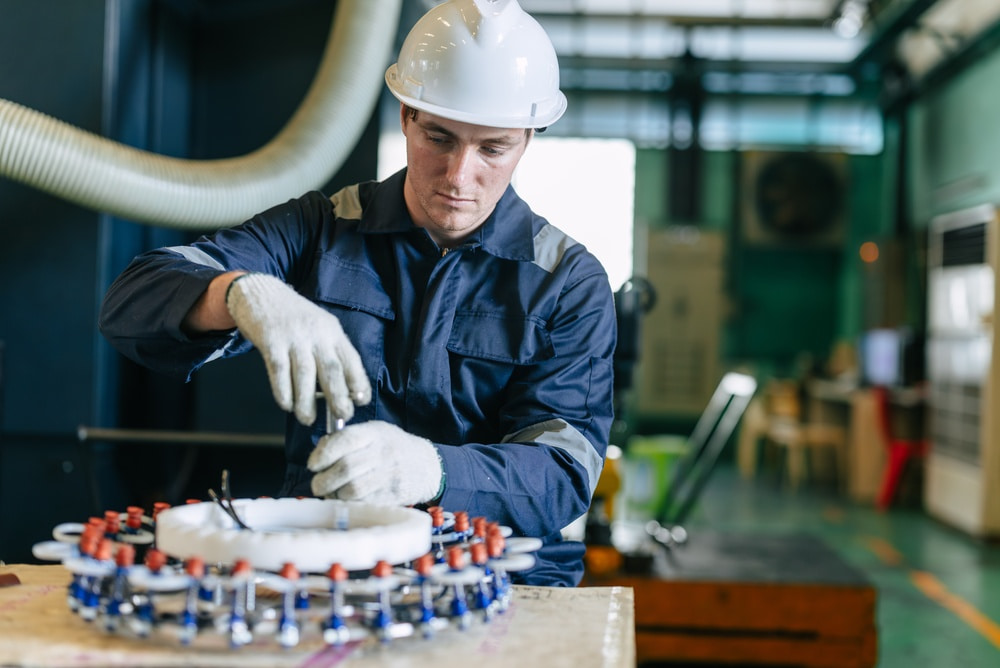
A precise process helps control:
- Part dimensions
- Wall thickness consistency
- Surface quality
- Fit with mating components
- Repeatability across production volumes
The process should produce the same intended result over and over without constant correction or rework.
It is not just about tight tolerances
A program can have reasonable tolerances and still fail if the process is unstable. Likewise, a part with demanding tolerances may perform well if the tool and process are built around those requirements from the start.
What matters is whether the part consistently meets the needs of the application.
Why buyers should care
Lack of precision creates hidden costs that do not always show up in the original quote. Those costs can include:
- Higher reject rates
- More rework
- Assembly delays
- Inconsistent product performance
- Customer complaints
- Wasted material and machine time
This is why precision is not just a technical detail for engineers. It directly affects cost control, lead times, and product reliability.
Precision starts before production
Precision begins in the early stages of design review, tool engineering, and process planning. By the time parts are running in production, many of the biggest precision outcomes have already been shaped by earlier decisions.
How do mold design and tooling quality affect precision?
They have a direct impact on whether a part can be produced consistently and accurately. Even the best machine and material cannot fully compensate for a tool that was poorly designed or built without enough attention to critical details.
1. Mold design controls how the part fills and cools
It is an engineered system that determines how material flows, where pressure is applied, how heat is managed, and how the part is released after cooling. Design decisions involving gate placement, venting, cooling channels, draft, and parting lines all influence final part quality.
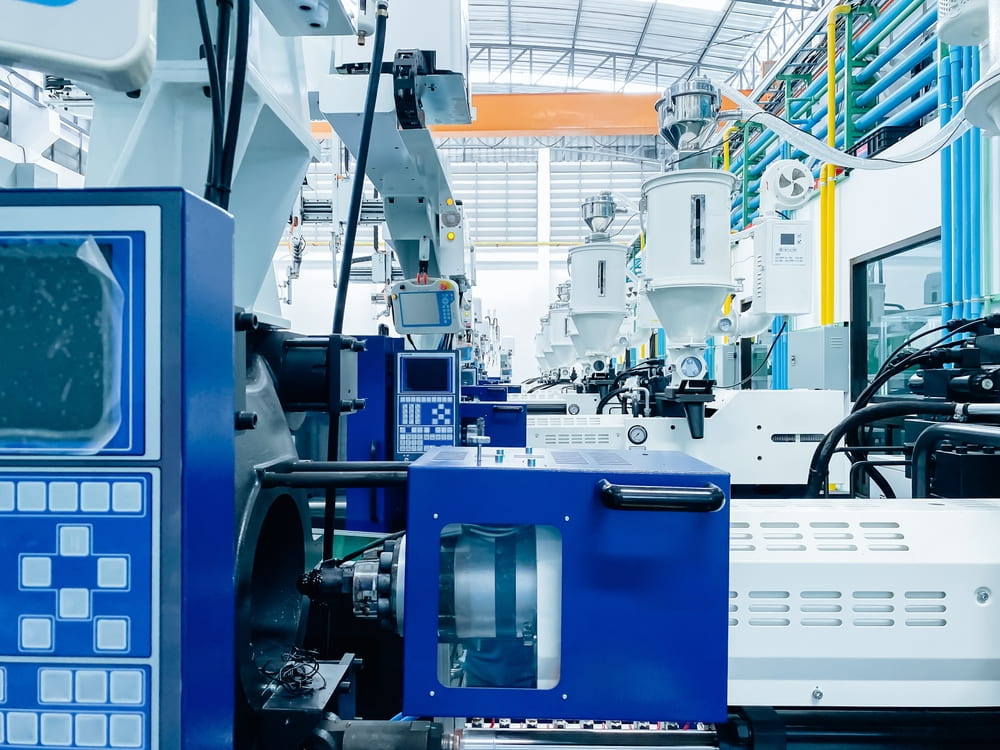 If those decisions are poorly executed, the result may be:
- Warping
- Sink marks
- Short shots
- Dimensional variation
- Uneven shrinkage
- Cosmetic defects
Precision depends on controlling these variables, not reacting to them later.
2. Tooling quality affects repeatability
A high-quality tool is built to hold dimensions and perform consistently over time. That includes the quality of machining, the choice of tool steel or aluminum, surface finish, and overall durability of the components. If the tool wears too quickly or was never built accurately in the first place, part quality will begin to drift.
That matters even more in production environments where consistency over thousands or millions of cycles is required. A mold that starts well but loses dimensional stability under production demand is not delivering real precision.
3. Better tooling reduces process instability
Operators are not constantly chasing variation or adjusting settings to compensate for poor tool behavior. That process stability improves:
- Repeatability
- Production efficiency
- Part-to-part consistency
- Long-term cost performance
This is one reason experienced manufacturers put so much emphasis on design for manufacturability and tool quality before production begins.
4. Precision is the result of connected decisions
Ultimately, precision is the product of multiple factors working together. Part design, mold engineering, tool construction, resin behavior, and process control all influence the final result. When these decisions are aligned, parts come out more consistently, and production becomes much more efficient.
Where can I find high-quality injection mold manufacturing companies?
At Wunder-Mold, we know that precision is not something you claim after the fact. It is something you build into the process from the very beginning. Our team focuses on the design, tooling, and production decisions that help manufacturers achieve consistent, repeatable results at scale, without unnecessary waste, delays, or surprises.
If you are comparing manufacturing companies and want a partner that understands how precision affects cost, quality, and long-term production success, we are ready to help. Contact us today to talk through your project and build a smarter path from design to dependable parts.