When manufacturers compare molding suppliers, price is often the first number that grabs attention. Tooling, production, materials, and timelines all affect cost, and no one wants to overspend. But in plastic molding manufacturing, the lowest quote rarely tells the full story. A lower upfront number can quickly lose its appeal if it leads to poor communication, inconsistent parts, tooling problems, production delays, or expensive corrections later.
Choosing a molding partner should go beyond comparing line-item pricing. They help you make better decisions early, reduce avoidable risks, and support a smoother path from design to production. In this article, we will look at how to evaluate a partner properly and why the cheapest quote is not always the best value.
How do you choose the right plastic injection molding partner?
Look at the full picture rather than only at who can produce the lowest initial number. A strong partner should be able to support quality, consistency, communication, and long-term production success, not just get the job started.
1. Look for real process experience
A supplier should be able to speak clearly about tooling, design for manufacturability, material behavior, tolerances, and production planning. That kind of experience matters because molding success depends on decisions made long before parts begin running.
A capable partner should help you evaluate things like: 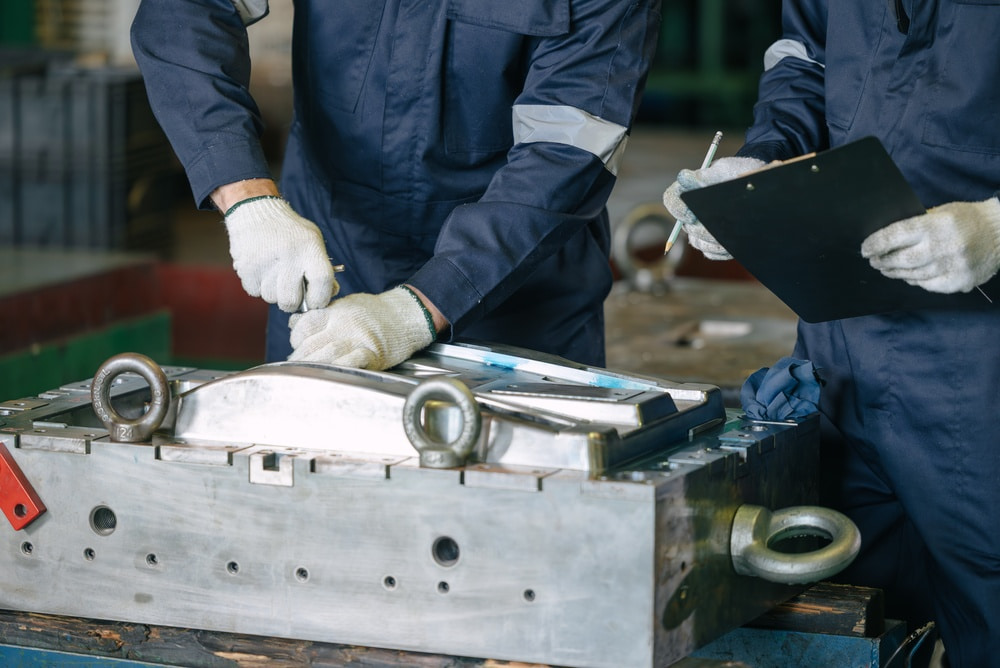
- Part geometry
- Resin selection
- Mold design strategy
- Expected production volumes
- Quality requirements
- Downstream assembly concerns
If a supplier only talks about pricing without addressing these factors, that is usually a warning sign.
2. Evaluate communication early
If quoting is slow, vague, or difficult at the beginning, the same pattern often continues once the project is underway. A reliable partner should be able to explain recommendations, flag concerns early, and keep the process moving with fewer surprises.
This is especially important during design review, tooling development, and sampling, where delays or unclear updates can affect your entire schedule.
3. Ask about tooling and quality control
Not every supplier approaches tooling and quality with the same level of care. Since tooling quality directly affects part consistency, it is worth understanding how the company manages design review, tool construction, inspections, and process validation.
A good partner should be able to explain:
- How they approach DFM review
- What they do to control consistency
- How sampling and approvals are handled
- What happens if adjustments are needed
- How they support repeatability over time
These are not minor details. They are what determine whether your parts perform reliably once production scales.
4. Consider long-term fit, not just first-order fit
The right partner should also make sense for where your program is going, not only where it starts. They may be able to handle a simple first run but struggle when volumes increase, revisions are needed, or timelines tighten. It is worth asking whether they can support future growth, repeat production, and evolving requirements without forcing you to restart the process somewhere else later.
5. Pay attention to how problems are addressed
A good supplier does not pretend that problems never happen. They help identify them early, explain the tradeoffs clearly, and work toward practical solutions before those issues become more expensive.
Why isn’t the lowest injection molding quote always the best option?
Because the initial number may leave out the costs that appear later through quality issues, delays, rework, or poor process planning. A cheaper quote can look attractive at first, but the total cost is what really matters.
1. Lower quotes often hide tradeoffs
In many cases, a lower number is made possible by compromising in ways that are not obvious on the first page of the proposal. That might involve tooling quality, design support, material selection, process control, or the amount of engineering time devoted to the project. None of those shortcuts may be obvious until problems begin appearing in production.
2. Cheap mistakes become expensive later
A quote that saves money upfront can create higher costs through: 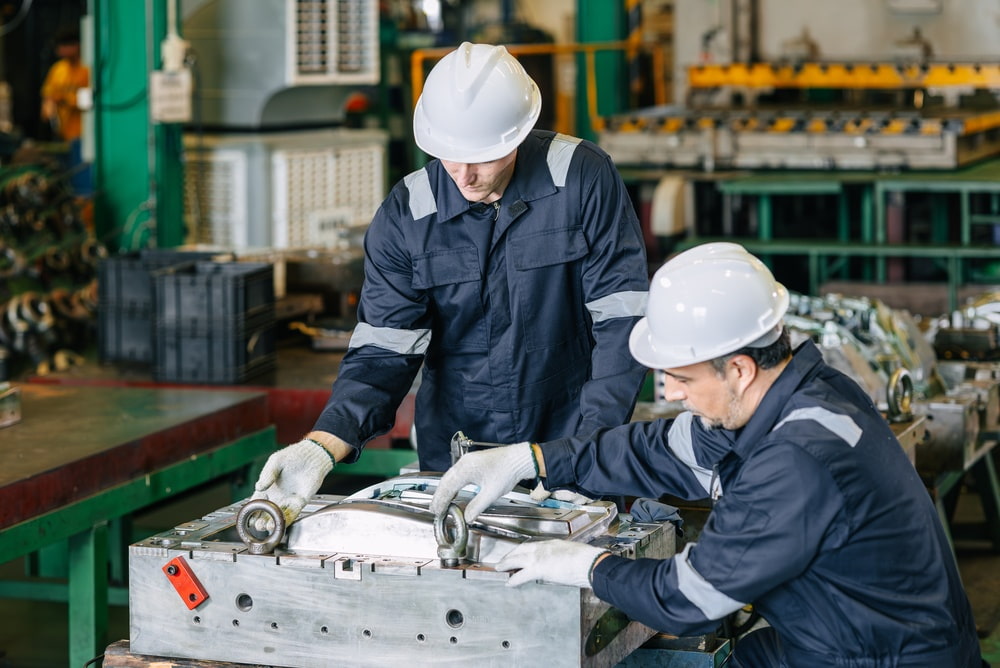
- Part inconsistency
- Higher scrap rates
- More rework
- Delayed launches
- Repeated tooling adjustments
- Customer complaints
- Wasted machine and labor time
These costs usually do not appear in the original quote, but they show up later in your margins, schedules, and operational stress.
3. Better value comes from stability
A more thoughtful partner may not always be the cheapest at the quoting stage, but they often deliver better value by reducing avoidable problems. Strong tooling, smarter design input, better communication, and more stable production can save far more over time than a lower initial price ever could.
4. The quote should match the program’s real needs
The best option is the one that reflects what the program actually requires. If a part has tight tolerances, assembly demands, cosmetic requirements, or long production life expectations, the quote should account for those realities. An unrealistically low number often means something important has been overlooked.
5. Price matters, but context matters more
The key is making sure you are comparing real value instead of just comparing numbers. In molding, a smarter decision up front often prevents much higher costs later.
Who can provide premium plastic molding manufacturing?
At Wunder-Mold, we believe the right partner should help you make better decisions from the beginning, not just offer the lowest number on paper. Our team focuses on design guidance, tooling quality, process planning, and production consistency so your program has a stronger path from concept to dependable parts.
If you are comparing suppliers and want a partner that understands long-term value, not just short-term pricing, reach out to us today to talk through your project and build a smarter, more reliable path to production.