Tooling is one of the biggest investments in any production project, so it’s a fair question whether a single mold can really do double duty. The honest answer is that it depends on how the mold was built and what kind of custom plastic injection molding you’re planning. Some clients begin with a modest first order and grow into far larger volumes over time, while others need a sizable run right out of the gate. Keep reading to find out whether one mold can really carry you from a first sample to a full production line.
Can the same tooling support both small & large production runs?
The short answer is yes, but only when the mold is designed for it. A mold built with a single volume in mind will eventually hit a wall, while one built with growth in mind can carry a program much further than most buyers expect. Understanding what separates the two makes all the difference before tooling is ever cut.
 Why mold design determines everything
 Why mold design determines everything
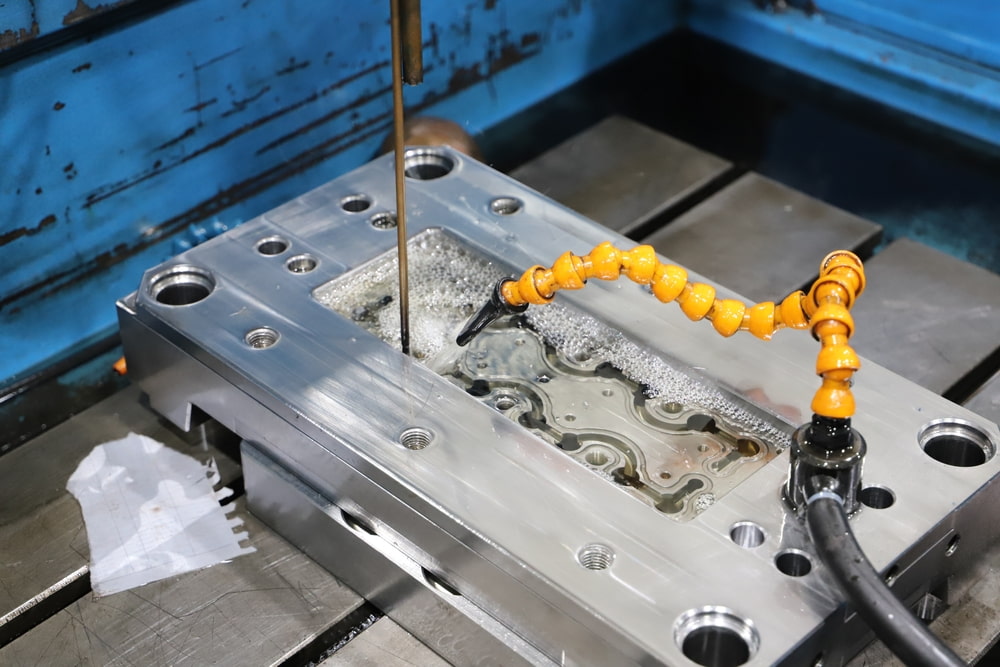
Every mold starts as a design decision long before steel is cut. Wall thickness, gate placement, and cooling channel design all shape whether a tool can handle a heavier workload later. A mold built for a short sample run often uses lighter materials and simpler cooling, which works fine until volume rises and cycle times climb. A DFM review flags those part-design flaws while they’re still cheap to fix, long before they show up as scrap on a scaled-up run.
Matching tool steel to your volume goals
The type of steel used in a mold directly affects how many cycles it can survive. Softer aluminum tools are chosen for early samples because they’re faster and cheaper to machine, while hardened steel withstands hundreds of thousands of cycles without losing precision. Choosing the right steel from the outset can mean the difference between rebuilding a tool later and simply running it longer, and it usually pays for itself once a program moves past its first few cycles.
Planning tooling around future growth
Smart planning starts with an honest conversation about where a product might be in a year or two, since a tool built only for today’s order can become a bottleneck the moment demand grows. That’s why many teams work with their manufacturer on moving from prototype to full production, mapping out volume milestones before the first cavity is drawn up. Building in that flexibility upfront usually costs far less than retrofitting a tool later.
Signs a tool is reaching its limit
Even a well-built tool has a lifespan, and knowing the warning signs helps avoid costly surprises. A few common indicators tend to show up together:
- Cycle times that slowly creep upward, signaling a tool nearing the end of its life
- Part dimensions that drift out of spec from one run to the next
- Flash appearing along the parting line where it never did before
Catching these early lets a team plan maintenance before a full run gets disrupted, sparing both the downtime and the expense of an emergency fix.
Working with a manufacturer who plans for scale
Choosing a manufacturer who thinks beyond the first order tends to pay off in the long run. A team that asks about future volume and part function early can steer a project toward a tool built to last, especially once material needs enter the conversation. This matters even more for parts headed into demanding environments, where the material itself plays a bigger role than most people assume.
It’s part of why some applications call for materials that go beyond plastic altogether, like ceramic components that outlast metal in extreme heat, since the right material choice is inseparable from smart tooling decisions.
Who should I trust for quality custom plastic injection molding?
Choosing a manufacturing partner who can grow with your production needs makes a real difference over time. Wunder-Mold has supported companies moving from small first orders to much larger volumes without needing to start over on tooling. Our team reviews part function and tool design together, weighing material selection as part of the same conversation, so growth gets planned for rather than reacted to.
Whether you’re testing a new product or ramping up an established one, working with a manufacturer who plans ahead protects both your budget and your timeline. If you’re ready to talk through your next production run, give us a call today and let’s map out a plan that fits where your project is headed.