Getting a new part from concept to production rarely moves as neatly as a project plan suggests. For manufacturers new to custom molding programs, timeline surprises can be one of the most frustrating parts of the process.
The good news is that many delays can be reduced with better expectations upfront. Plastic injection molding usually follows a clear sequence, and understanding what happens at each stage makes it much easier to plan realistically.
How long does it take to go from part design to production?
There is no single timeline that fits every program, but for many standard molding projects, a common range from finalized design to first production run is roughly 8 to 16 weeks. Faster-turn programs can move more quickly, while complex parts, multi-cavity tools, tighter tolerances, or multiple revision rounds can extend the schedule. In practice, the biggest timing issues often come from underestimating front-end design work, tooling complexity, and trial-and-adjustment time.
What affects the overall timeline the most?
Several variables tend to have the biggest impact on schedule:
- part complexity and the number of design revisions before tool release
- tooling material selection, since aluminum tools are often faster to produce while hardened steel tools usually take longer
- geometry that requires side actions, lifters, collapsible cores, or other specialty features
- resin selection, validation requirements, and material availability
- cavity count and the overall complexity of the mold design
- sampling rounds needed after the first trial shots
These factors can affect not just the build schedule, but also how much iteration is needed before the process is ready for production.
What happens at each stage of the custom molding process?
Stage 1: Design review and DFM analysis
What happens
Before any steel is cut, your part design goes through a manufacturability review. This is where the molding team evaluates geometry, wall thickness, draft angles, gate locations, and potential problem areas.
What to expect
- Submit your 3D CAD file and any functional requirements
- Receive a Design for Manufacturability (DFM) report identifying recommended changes
- Review and approve modifications before tooling begins
Why it matters
Skipping or rushing this stage is one of the most reliable ways to add weeks to your timeline. Changes that cost hours to fix in CAD can cost weeks and thousands of dollars once tooling has started. Getting this right upfront is also closely tied to how precision engineering decisions affect downstream costs.
Stage 2: Tooling design and build
What happens
Once the part design is approved, the mold itself is designed and machined. This is typically the longest single stage in the process.
Typical duration
Timelines vary by supplier and project type, but as a general guide:
- Aluminum or prototype tooling may be completed in a few weeks
- Hardened steel production tooling often takes several weeks longer
For many programs, that means fast-turn tools may land in the 2 to 4 week range, while more robust production tooling can take 6 weeks or more, especially when the mold is complex.
What to expect
- Mold design is drafted and reviewed with your team
- CNC machining, EDM, and other fabrication processes build the tool
- Cooling channels, ejector systems, and gate locations are finalized
What can slow this down
- Late design changes after tool release
- Tight tolerances requiring additional machining passes
- Specialty features like side actions or collapsible cores
Stage 3: Tool trials and sampling (T1, T2)
What happens
The completed mold runs its first shots, called T1 sampling. Parts are measured, inspected, and compared against your specifications.
What to expect
- T1 sample parts are produced and dimensionally inspected
- Any deviations from spec are identified and corrected through tool adjustments
- Additional sampling rounds, as needed, confirm that corrections were effective
- First-article or equivalent approval inspection is often completed before production approval.
How long does this take
Plan for typically 2 to 4 weeks, depending on the extent of adjustments required. Programs with tighter tolerances or more complex geometry may need more time. Understanding how material and tooling choices affect part consistency at this stage can help you anticipate where adjustments are most likely to occur.
Stage 4: Production ramp-up
What happens
With the tool approved, production begins. Early runs focus on process stabilization before full-rate output.
What to expect
- Process parameters (temperatures, pressures, cycle times) are locked in
- Initial production lots are inspected at a higher frequency
- Output ramps to full rate once consistency is confirmed
What most manufacturers overlook
Even at this stage, schedule risk exists. Resin availability, machine scheduling, and finishing or assembly steps all sit between your approved tool and parts in your hands. Building that buffer into your planning is something experienced partners flag early.
Working with a team that maps these variables before production starts is often what separates programs that hit their launch dates from those that don’t, and it’s also where the real cost advantages of custom tooling become most visible.
 Who specializes in precise plastic injection mold manufacturing?
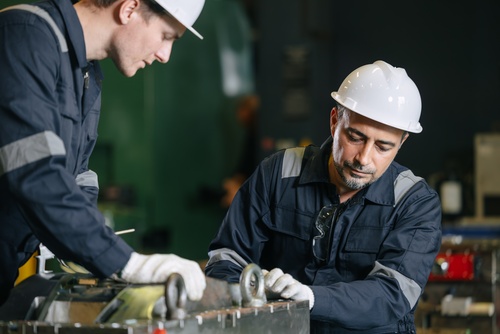 Who specializes in precise plastic injection mold manufacturing?
If you’ve ever been caught off guard by a tooling delay or a sampling round that stretched longer than expected, you already know how much timeline uncertainty costs. Not just in dollars, but in missed launch windows, strained customer relationships, and the kind of internal scrambling that nobody budgets for.
At Wunder-Mold, we work to take that uncertainty off the table early. Our team maps the full sequence before production starts, flags the real schedule drivers, and keeps you informed at every stage so nothing catches you off guard. We’ve spent decades helping manufacturers move from early design to production-ready parts efficiently and predictably. Reach out today!