Most part failures don’t happen on the production floor at all; they happen weeks earlier, buried in a step teams rush past without realizing its weight. That single oversight can turn a promising design into a mold that never runs cleanly, no matter how skilled the operator is.
In custom injection molding, success or failure often traces back to decisions made before a single cavity is cut. Keep reading to find out exactly which step gets skipped most often, and why catching it early can save an entire project.
What is design for manufacturability (DFM)?
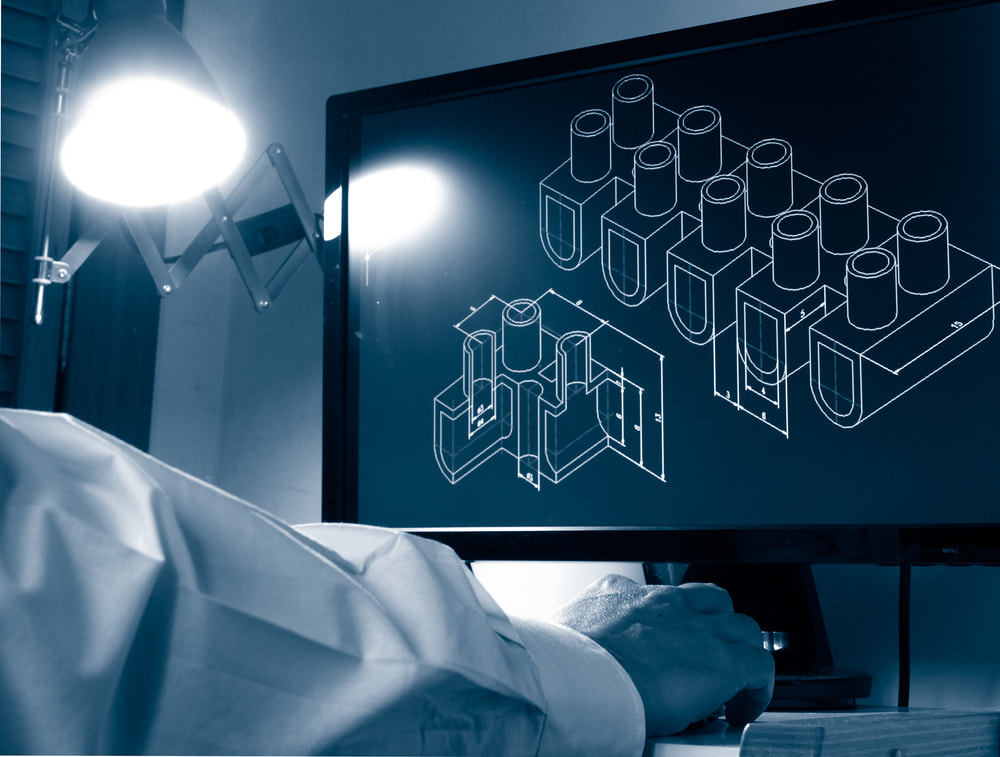 Every part begins as a drawing, but not every drawing is ready for a mold. Design for manufacturability is the process of reviewing that drawing before tooling starts, checking whether the geometry, wall thickness, and material choice will actually behave the way the mold requires. It sounds like a formality, yet skipping it is one of the fastest ways to end up with a tool that never runs the way it was intended to. Here’s what the review delivers:
- The right timing: the review lands after initial drawings are submitted but before any steel gets cut, when a fix is a drawing change rather than a cut-steel rebuild
- A real safeguard, not a formality: the flaws it catches are the ones that otherwise show up as scrapped parts after the mold is built
- A collaborative review: engineers walk through part function, tolerances, and draft angles with the customer, so the check is built around how the part is actually meant to perform
- A smoother path to scale: the groundwork that lets a program move from a first run to full production without costly surprises
How does a DFM review change a part design?
A part rarely leaves a DFM review looking exactly like it did going in, and that’s the point. The review exists to catch mismatches between what a design intends and what a mold can physically produce, and once those gaps surface, adjustments follow naturally.
Wall thickness adjustments
Uneven wall thickness is one of the most common changes to come out of a review. Sections that are too thick tend to cool unevenly, leading to warping or sink marks once the part comes out of the mold. Engineers often thin these areas or add ribbing to maintain strength without the extra mass.
Draft angle corrections
Parts without enough draft angle can stick inside the mold during ejection, which becomes a bigger problem the longer a project runs. Small angle adjustments made during review prevent this from ever becoming an issue on the floor.
Gate & rib placement
Where material enters the mold affects how it fills every cavity, so gate location often shifts based on review findings. Rib placement gets similar attention, since poorly positioned ribs can create stress points that weaken the finished part.
Setting up for future growth
These adjustments matter even more for programs planning to scale, since a design built to hold up at higher volumes needs to be right from the start. A part refined early is one a growing production run rarely has to revisit, which keeps a program moving instead of looping back for redesigns.
What common design issues does DFM catch early?
Certain design problems show up again and again during DFM reviews, and most of them are avoidable with a closer look before tooling begins. The most common ones flagged include:
- Incomplete fill: thin features or areas far from the gate can leave material unable to reach them, producing short shots where part of the piece never fully forms
- Sharp internal corners: these concentrate stress and complicate material flow, creating weak points that may not show until the part is in use
- Undercuts and complex geometry: these can require extra tooling just to release the part, and they’re where material choice matters most, since the harshest conditions sometimes call for a material that survives heat metal can’t
- Poor gate placement: a gate in the wrong spot leaves cosmetic flaws or weak spots right where a part needs strength, so reviewers reposition it before the mistake is permanent in cut steel
 Where can I find dependable custom injection molding near me?
 Where can I find dependable custom injection molding near me?
A mold is only as good as the design behind it, and that groundwork determines whether a project runs smoothly or stalls out in revisions. Wunder-Mold builds every project around a thorough design review, catching issues before they turn into expensive tooling mistakes. Our engineers work directly with customers on wall thickness, draft angles, and gate placement long before any steel gets cut, which keeps timelines predictable and budgets intact.
Whether you’re starting from a rough concept or refining an existing part, getting this step right from day one saves time and money down the line. Reach out today and let’s walk through your design before it ever reaches the mold.