Dimensional stability is one of the most important requirements for precision ceramic components. A part may have the correct geometry when it leaves the mold, but it must also maintain that geometry through debinding, sintering, finishing, and final inspection. For companies evaluating ceramic molding services, understanding what contributes to dimensional stability can help prevent costly issues with fit, performance, and consistency later in production.
What affects dimensional stability in ceramic injection molding?
Dimensional stability depends on several factors working together throughout the manufacturing process. Material selection, tooling design, process control, and part geometry all influence how well a component maintains its intended dimensions.
1. Material properties play a major role
Different ceramic materials behave differently during processing. Alumina and zirconia, for example, have unique shrinkage characteristics that must be considered during part development.
Material consistency is equally important. Variations in feedstock composition can affect how a component responds during molding and firing, making repeatability more difficult to achieve across production runs.
2. Part geometry influences performance
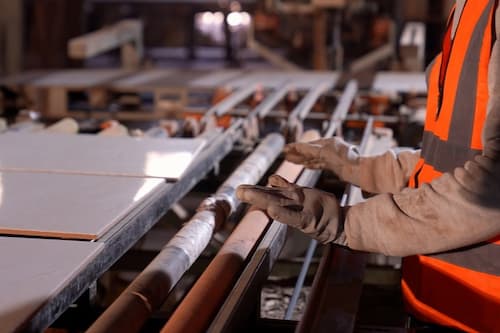
A well-designed component is more likely to maintain dimensional accuracy throughout manufacturing. Features such as wall thickness, transitions, corners, and overall part symmetry can affect how stresses develop during processing.
This is why engineers often evaluate geometry early in development. Consistent wall sections and thoughtful transitions can help reduce distortion and improve repeatability. Understanding how wall thickness influences molded ceramic components is often an important part of that review.
3. Tooling accuracy matters
The mold itself establishes the foundation for dimensional control. High-quality tooling helps ensure consistent filling and repeatable part formation from cycle to cycle.
Even small tooling variations can influence final dimensions after shrinkage occurs. Careful mold design helps account for those changes before production begins.
How does the ceramic injection molding process support stability?
Dimensional stability is not achieved through a single step. It is the result of careful control throughout the entire manufacturing process.
1. Controlled molding creates consistency
The molding stage determines how material enters and fills the cavity. Consistent pressure, temperature, and flow conditions help reduce variation between parts.
A stable molding process also helps minimize defects that could affect later stages. Uniform filling creates a stronger foundation for debinding and firing.
2. Debinding must be carefully managed
Binder removal is a critical stage because the component becomes more fragile as the binder system is extracted. If this process occurs too quickly or unevenly, distortion can develop before the part even reaches the furnace.
Proper process control helps support dimensional consistency during this transition. It also prepares the component for successful firing and densification.
3. Sintering requires precise control
Sintering is where the ceramic reaches its final density and strength. Because this stage involves controlled heating and densification, careful firing management is essential to the final shape and performance of the component.
Consistent furnace conditions help ensure that parts shrink as expected. Manufacturers often account for predictable shrinkage during tooling design, which is why understanding the relationship between shrinkage and dimensional accuracy remains such an important part of ceramic part development.
Why is dimensional stability important for precision ceramic parts?
Dimensional stability directly affects whether a component can perform as intended in its final application.
1. It supports proper fit and assembly
Many ceramic components must interface with other parts, assemblies, or systems. Dimensional variation can create fit issues that affect installation or performance.
Stable dimensions help ensure repeatable results across production runs and reduce the need for adjustments during assembly.
2. It reduces secondary correction requirements
Some ceramic components require secondary operations to achieve final specifications. However, maintaining dimensional control throughout production can help reduce the amount of corrective work needed.
This is why manufacturers often evaluate dimensional performance alongside the finishing operations used after molding. Better control early in the process can simplify later manufacturing stages.
3. It improves long-term consistency
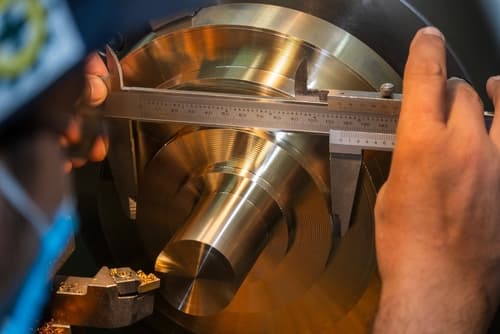
Consistency matters whether production involves hundreds of parts or thousands. Stable dimensions help support predictable performance, quality control, and customer confidence.
For industries such as aerospace, electronics, healthcare, and food service, repeatability can be just as important as the material properties themselves. Research into ceramic processing and dimensional control continues to reinforce the importance of process consistency throughout manufacturing.
Who provides reliable ceramic molding services?
For nearly three decades, Wunder-Mold has delivered precision ceramic injection molding solutions for customers with demanding performance requirements. Our team provides support from design assistance and prototyping through production, quality control, and secondary finishing.
Specializing in customized alumina and zirconia components, we help customers develop cost-effective ceramic parts with the dimensional accuracy and repeatability required across industries including aerospace, healthcare, electronics, automotive, and food service. Contact us today to discuss your next project.