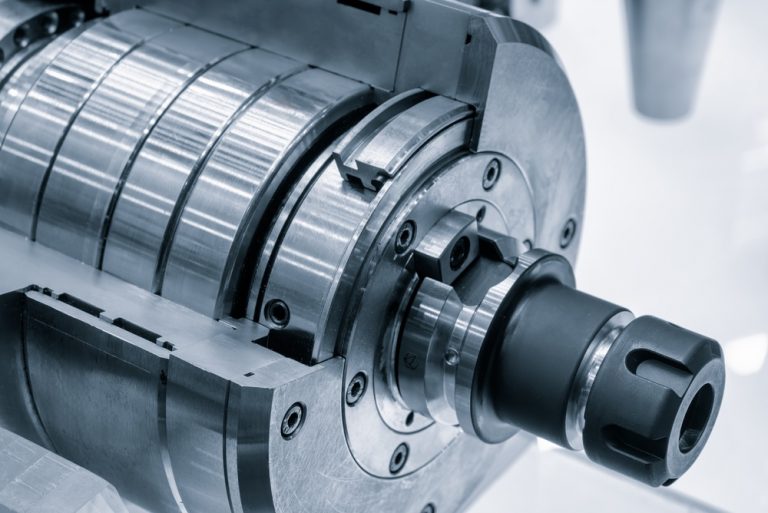
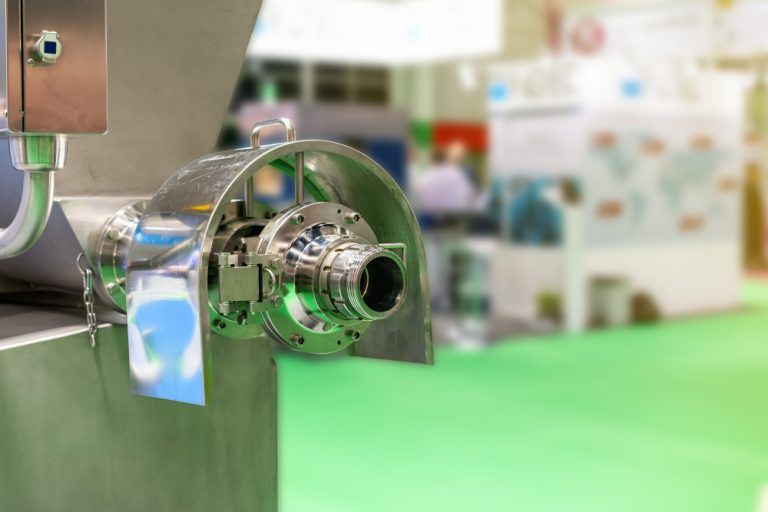
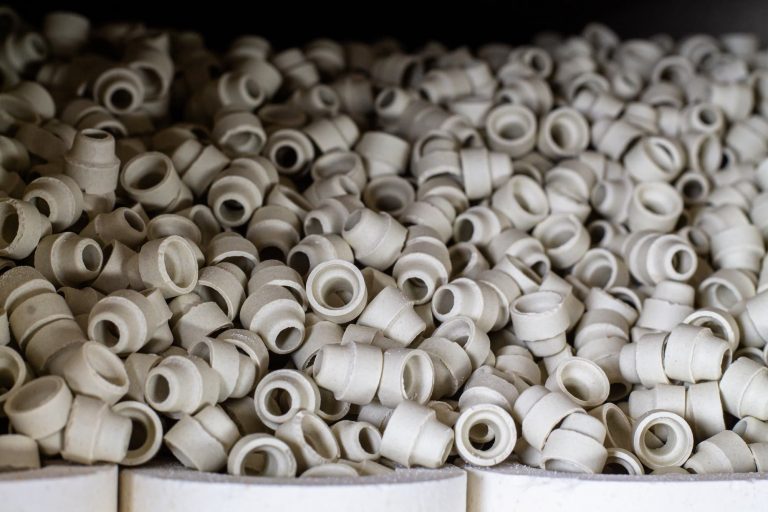
When Metal Melts, Custom Ceramic Parts Survive
When engineers plan for extreme heat, the material behind a design often determines whether a project succeeds or fails under pressure. Metal has long been the default option, yet once...
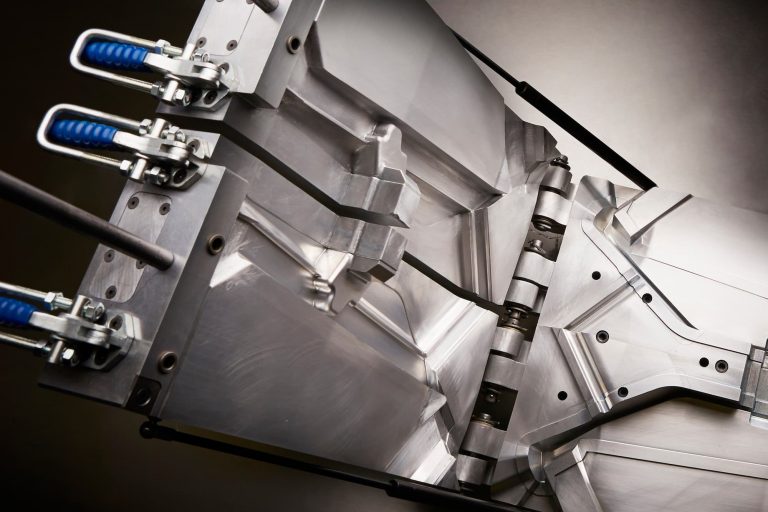
From Sketch to Scale With Custom Plastic Injection Molders
Every successful part begins long before a single unit ever reaches a shelf, with careful planning that shapes how a rough concept becomes a finished, reliable product. For companies searching...

Skip This Step & Your Mold Will Fail
Most part failures don't happen on the production floor at all; they happen weeks earlier, buried in a step teams rush past without realizing its weight. That single oversight can...
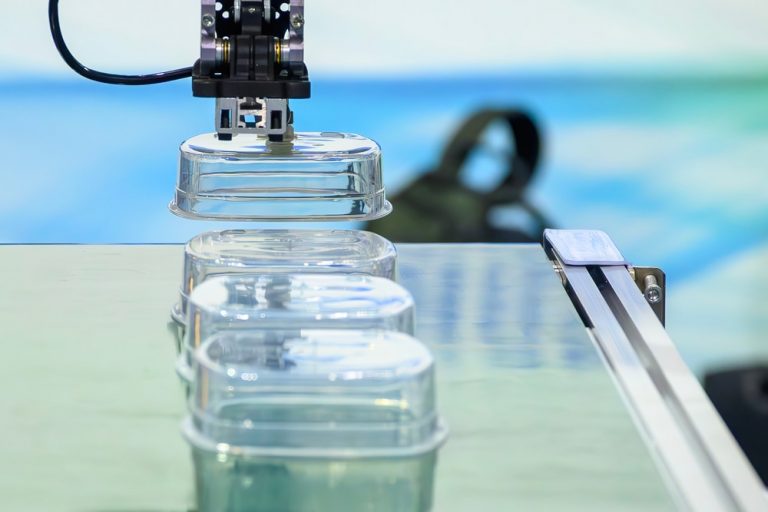
Small Batch, Big Run: Custom Injection Molding That Scales
Tooling is one of the biggest investments in any production project, so it's a fair question whether a single mold can really do double duty. The honest answer is that...
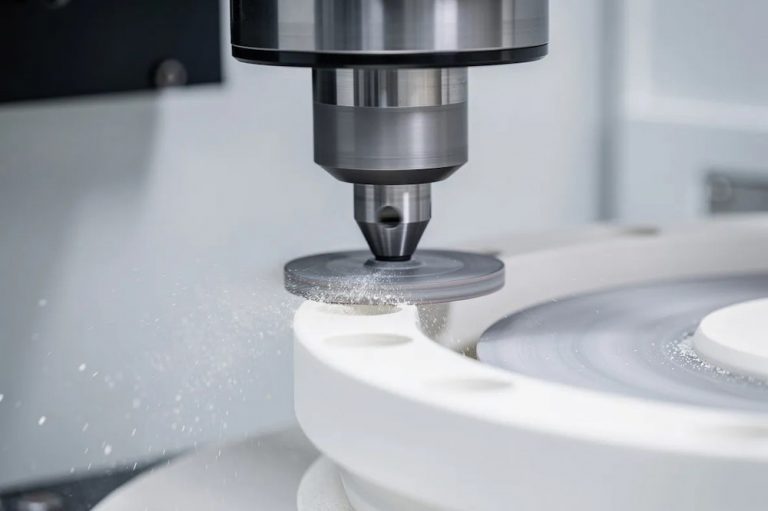
How Ceramic Injection Molding Maintains Dimensional Stability
Dimensional stability is one of the most important requirements for precision ceramic components. A part may have the correct geometry when it leaves the mold, but it must also maintain...
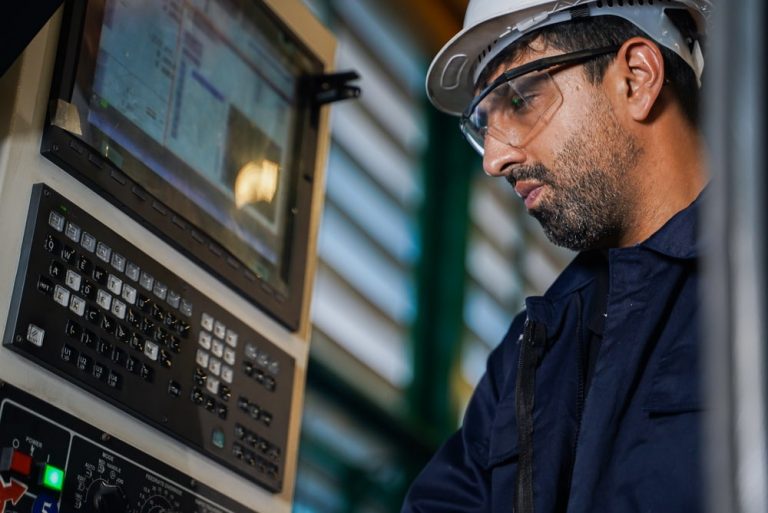
How Wall Thickness Affects Ceramic Injection Molded Parts
Wall thickness can make or break a molded ceramic component. A part may look simple on the drawing, but uneven sections can affect filling, debinding, sintering, strength, and final dimensions....
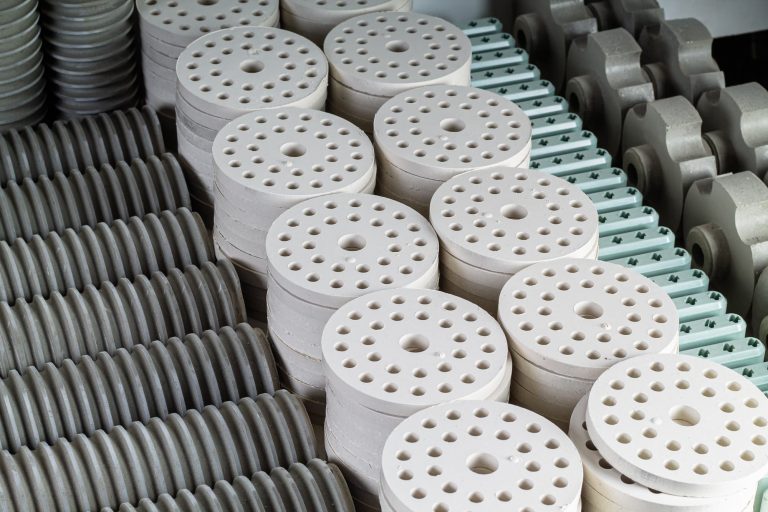
How Material Shrinkage Affects Ceramic Injection Molded Parts:
Shrinkage is one of the most important realities in ceramic injection molding. It doesn’t mean the process failed, and it doesn’t mean the part was designed incorrectly. Instead, it’s a...
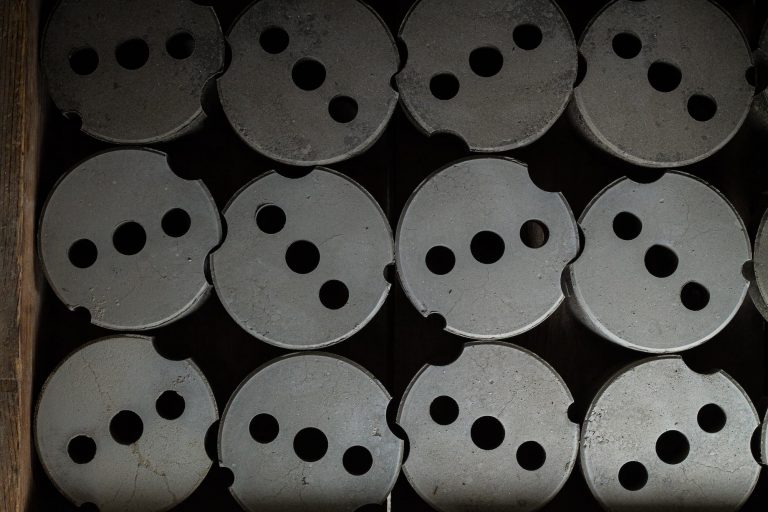
Why Ceramic Injection Molded Parts May Need Secondary Finishing
Ceramic injection molding is valued for producing detailed, durable components close to their final shape. But for demanding applications that require precision ceramic molding, “close” can still need a final...